
What Food Kills Mouth Bacteria?
June 26, 2026 9:00 amSometimes people ask this after a cavity, bleeding gums, bad breath, or a cleaning that brought up more questions than they expected. Once you hear that bacteria play a role in tooth decay and gum problems, it is easy to wonder whether there is a food that can help clear them out.
The answer is a little less dramatic than a “miracle” snack or one ingredient that fixes everything. Your mouth is meant to have bacteria in it. Some of those bacteria are harmless, and some are part of a normal, healthy balance. Trouble starts when certain bacteria get frequent access to sugar, collect in plaque around the teeth, and produce acids that wear on enamel.
So, no food completely kills mouth bacteria. However, what you eat and drink can change the environment in your mouth throughout the day. Some choices encourage saliva, help rinse food away, or avoid giving cavity-causing bacteria as much fuel. Others tend to linger around the teeth and give those bacteria more to work with.
At Amber Hills Dental in Henderson, NV, Dr. Aimee Villamayor, Dr. Kevin Le, and Dr. Francesca Barbin help patients look beyond the idea that cavities only come from candy. The bigger picture often includes meals, snacks, drinks, dry mouth, brushing habits, and how often the teeth are exposed to sugar and acid.
Your Mouth Is Not Supposed to Be Bacteria-Free
The goal is not to get rid of every bit of bacteria in your mouth. That would not be possible, and it would not really be the point.
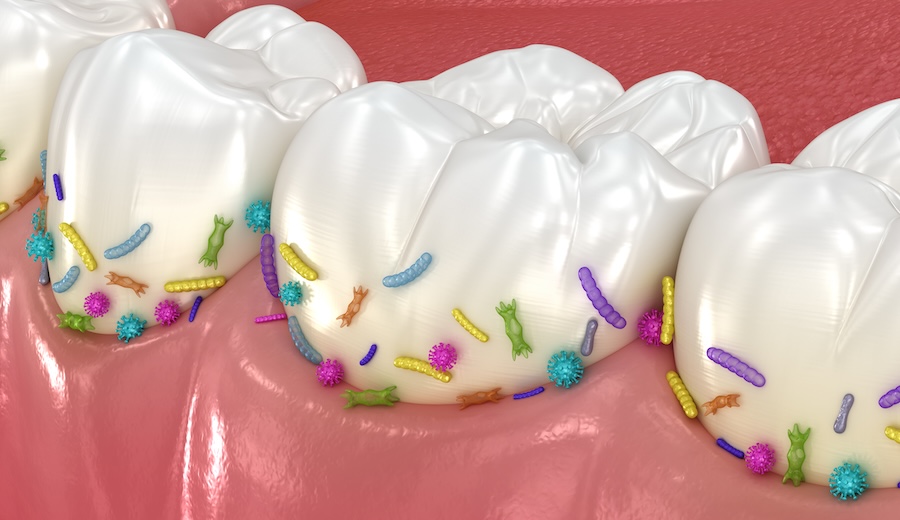
Bacteria live on your tongue, cheeks, gums, and teeth all day long, even right after brushing. The concern is what happens when certain bacteria build up in plaque and get regular access to sugar. After you eat or drink something sweet, those bacteria can use that sugar as fuel. In the process, they make acids that can soften enamel and irritate the gums.
That is why someone can brush consistently and still deal with cavities. It may not come down to eating a huge amount of candy at once. Sometimes it is more about the small things that repeat through the day, such as flavored coffee that lasts all morning, mints at your desk, a sweet drink during a workout, or snacks that keep coming back out of the pantry.
Food choices can help shift that pattern. They cannot replace brushing, flossing, fluoride toothpaste, or regular cleanings. Still, they can make the mouth less welcoming to the bacteria connected with cavities and gum disease.
Crunchy Produce Can Be Easier on Teeth Than Sticky Snacks
Fresh fruits and vegetables are not toothbrushes. They will not remove plaque from the gumline or clean between teeth. However, they can be a better snack choice than foods that turn sticky or paste-like once they are chewed.
Apples, cucumbers, carrots, celery, bell peppers, and similar foods take some chewing. That chewing can encourage saliva flow, which helps rinse food particles and dilute acids after a meal. It is not a replacement for brushing later, but it gives your mouth a better follow-up than another snack that sticks to the teeth.
For example, after lunch, sliced cucumber or carrots may be easier on your teeth than reaching for crackers, cookies, or a granola bar. The vegetables do not erase the rest of the meal. They are simply less likely to settle into the grooves of your molars or cling around the edges of teeth.
Fresh fruit can fit into that picture as well. Dried fruit is different. Raisins, dried mango, fruit snacks, and similar foods can be sugary and sticky, so they may stay on the teeth longer than fresh berries, melon, apples, or oranges.
Cheese and Lower-Sugar Dairy Can Be a Better Snack Choice
Cheese, plain yogurt, and other lower-sugar dairy foods can be helpful choices when you want something filling without adding another sugary snack into the day.
They do not kill bacteria, but they can support saliva flow and provide calcium and phosphate, which are connected with healthy tooth enamel. Cheese is also easy to work into normal life. It can be part of lunch, a quick afternoon snack, or something to have after dinner when you are tempted to keep grazing.
Yogurt can be another good option, although it is worth checking the label. Some flavored yogurts have a surprising amount of added sugar, especially those that come with candy pieces, syrup, or sweet toppings mixed in. Plain Greek yogurt with fruit, nuts, or cinnamon can look very different from a dessert-style yogurt cup.
Of course, dairy is not right for everyone. The main idea is choosing snacks that do not keep coating the teeth with sugar. A more balanced snack can help you feel full while giving cavity-causing bacteria less to feed on.
Water Gives Your Mouth a Better Follow-Up
Water is not going to clear out mouth bacteria on its own, but it can help wash away some of what is left behind after meals, coffee, juice, soda, or sports drinks.
That can be especially helpful in Henderson, where dry heat can leave people more dehydrated than they realize. When your mouth is dry, there is less saliva available to clear food away and dilute acids. Plaque can build up more easily, and the mouth may start feeling sticky or uncomfortable.
A few sips of water after a sweet or acidic drink can be a simple habit to build into the day. Maybe you finish an iced coffee and drink water afterward. Maybe you have an electrolyte drink after a workout, then switch back to water once you are done. Those small changes give your teeth a little break instead of leaving sugar and acid sitting in the mouth for hours.
Water also helps when you are eating on the go. A bottle in the car, at your desk, or in a gym bag can be more helpful than it seems, especially during busy days when brushing right after a meal is not realistic.
Unsweetened Tea Can Be a Better Everyday Swap
Tea comes up often in conversations about oral health because certain teas contain plant compounds that may affect bacterial activity. In day-to-day life, though, the bigger benefit is usually much simpler: unsweetened tea can give you another drink option besides soda, sweet tea, energy drinks, or sugary coffee drinks.
Green tea, black tea, and many herbal teas can fit into a routine when they are not loaded with sugar or syrups. They can be especially helpful for people who do not enjoy drinking plain water all day but still want to cut back on sweet drinks.
Tea can stain teeth over time, particularly darker teas. That is usually more of a cosmetic issue than a cavity issue, and regular cleanings can help with surface staining. Drinking water after tea can also help clear some of the color from your mouth.
The larger point is that changing one or two regular drinks can have more impact than people expect. A daily sweet tea or soda may not feel like a big deal, but when it becomes part of every afternoon, the teeth are getting repeated sugar and acid exposure.
Sugar-Free Gum Can Help When You Are Away From Home
Sugar-free gum is not really a food, but it can be a practical tool when you are out and cannot brush after eating.
Chewing gum stimulates saliva, and saliva helps wash away food particles and balance some of the acids that bacteria produce. Gum made with xylitol can be a good option because xylitol does not feed cavity-causing bacteria in the same way regular sugar does.
This can be handy after a quick lunch between errands, a snack in the car, or a meal out where brushing is not possible. Sugar-free gum is not a replacement for brushing later that night, and it will not remove plaque around the gums. Still, it can be a better follow-up than a sugary mint or another sweet snack.
People who deal with jaw soreness or TMJ symptoms may need to limit gum chewing. For others, it can be an easy thing to keep in a bag, glove compartment, or desk drawer.
The Snacking Pattern Often Causes More Trouble Than One Food
When people think about foods that are hard on teeth, candy and soda usually come to mind first. Those can certainly contribute to cavities. However, plenty of everyday foods can also give bacteria a steady source of fuel when they are eaten often or left sitting on the teeth.
Crackers, chips, pretzels, bread, sweet cereal, granola bars, and flavored coffee drinks can all become part of the problem. Starchy foods break down into sugars, and many of them stick into the grooves of molars or between teeth longer than expected.
The timing can be just as important as the food itself. Having a sweet snack with lunch gives your mouth a chance to recover afterward. Picking at the same snack for three hours or sipping the same drink from morning until afternoon keeps restarting the acid cycle.
You do not have to judge every snack. It simply helps to notice whether your teeth are getting breaks between exposures. Pairing snacks with water, keeping sweet drinks to mealtimes, and avoiding all-day sipping can make regular eating easier on your enamel.
Brushing and Flossing Still Do the Main Work
Food choices can support a healthier mouth, but plaque still needs to be removed directly. That means brushing twice a day with fluoride toothpaste and cleaning between your teeth once a day.
When you brush, spend time along the gumline instead of only focusing on the front surfaces you see when you smile. The back teeth also need attention because food can settle into the grooves and stay there longer than you expect.
Flossing, interdental brushes, or other between-the-teeth cleaners help remove plaque from the areas a toothbrush cannot reach. Mouthwash can be a helpful add-on for some people, especially if Dr. Villamayor, Dr. Le, or Dr. Barbin recommends a specific kind. However, rinsing alone cannot remove the sticky plaque that has already collected on the teeth.
If you keep getting cavities, notice frequent bad breath, or see blood when you brush or floss, it may be worth looking at the full picture. Dry mouth, crowded teeth, older fillings, snacking patterns, and brushing technique can all play a role.
What Food Kills Mouth Bacteria in Henderson, NV?
No single food kills all mouth bacteria, and that is not really what your mouth needs. A better approach is choosing foods and drinks that do not keep feeding cavity-causing bacteria throughout the day.
Fresh produce, lower-sugar dairy foods, water, unsweetened tea, and sugar-free gum can all support a healthier routine in different ways. Just as important, giving your teeth breaks from sugary drinks and sticky snacks can reduce the amount of acid they face during the day.
At Amber Hills Dental in Henderson, NV, Dr. Aimee Villamayor, Dr. Kevin Le, and Dr. Francesca Barbin can help you sort through recurring cavities, gum bleeding, dry mouth, or questions about how your daily habits may be affecting your smile. Call to schedule a visit and get practical guidance that fits the way you actually eat, drink, and live.
Categorised in: Dental Tips, Healthy Diet, Oral Health, Oral Hygiene