

What Is a Gum Pocket?
May 12, 2026 9:00 amDuring a dental cleaning, you may hear your hygienist calling out numbers while checking your gums. “Three, two, three… four…” It can sound a little mysterious if you’re not sure what those numbers mean, especially when they’re followed by a quick note about “gum pockets.”
Those numbers are measuring the small spaces between your teeth and gums. Everyone has gum pockets, but when they get deeper, they can become harder to clean and more likely to trap bacteria. That does not always mean something serious is happening, but it does give your dental team important information about your gum health.
At Amber Hills Dental in Henderson, NV, Dr. Aimee Villamayor and Dr. Kevin Le help patients understand what gum pocket measurements mean and what can be done to keep the gums healthy. In many cases, catching changes early can make treatment simpler and help prevent more serious gum problems later.
How Gum Pockets Form
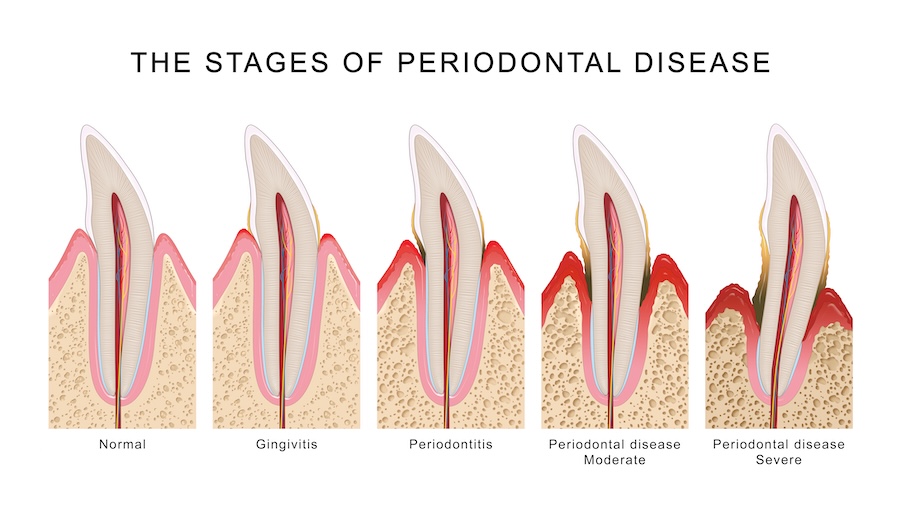
Healthy gums fit closely around the teeth. This snug fit helps protect the tooth roots and keeps bacteria from moving too far below the gumline. However, when plaque sits along the gums for too long, the tissue can become irritated and inflamed.
Over time, that inflammation can cause the gums to pull slightly away from the teeth. As the space deepens, it becomes a pocket where bacteria, plaque, and tartar can collect. Once buildup settles below the gumline, brushing and flossing at home usually cannot reach far enough to clean the area well.
That is why gum pockets matter. They are not just numbers on a dental chart. They can be an early sign that your gums need more attention before the problem becomes harder to manage.
What Gum Pocket Measurements Mean
During your exam, your hygienist or dentist measures the depth of the space between each tooth and the surrounding gum tissue. This is done with a small dental instrument called a periodontal probe. The measurement is recorded in millimeters, which is why you may hear those numbers being called out during your visit.
Lower numbers, between 1-3mm, usually mean the gums are fitting closely around the teeth. Higher numbers may mean the pockets are deeper, harder to clean, or showing signs of inflammation. Your dental team also looks at whether the gums bleed during measuring, since bleeding can be a sign that bacteria are irritating the tissue.
These measurements help track changes over time. For example, if a pocket gets deeper between visits, that area may need extra attention. On the other hand, if the numbers improve after treatment or better home care, that can be a good sign that the gums are responding.
Why Deep Gum Pockets Can Be a Problem
Deep gum pockets create places where bacteria can hide. Once bacteria move below the gumline, they can irritate the tissue and contribute to infection. Since those areas are difficult to clean at home, the problem can continue even if you are brushing regularly.
If deep pockets are left untreated, the gums may become more inflamed and pull farther away from the teeth. Over time, gum disease can affect the bone that supports the teeth. This usually does not happen overnight, but it can progress quietly if it is not addressed.
That is one reason regular dental visits are so important. Gum pocket measurements can show early changes before you feel pain or notice obvious symptoms. In many cases, identifying the issue early gives you more options and keeps treatment more manageable.
Signs You May Have Problematic Gum Pockets
Gum pockets do not always cause obvious symptoms in the beginning. Still, there are signs that can point to gum inflammation or deeper pockets. Bleeding when brushing or flossing is one of the most common. Although it may seem minor, healthy gums generally should not bleed on a regular basis.
You may also notice tenderness, swelling, or redness along the gumline. Some people experience bad breath that does not improve with brushing, especially when bacteria are collecting below the gums. Others may notice that their gums look like they are pulling back or that certain teeth appear longer than before.
In more advanced cases, teeth may feel loose, your bite may feel different, or chewing may become uncomfortable. If you notice any of these changes, it is a good idea to schedule an exam rather than waiting to see if it passes on its own.
What Causes Gum Pockets to Get Deeper
The most common reason gum pockets get deeper is plaque and tartar buildup along or below the gumline. Plaque is a sticky film of bacteria that forms on the teeth. If it is not removed well with daily brushing and flossing, it can harden into tartar, which cannot be removed at home.
However, plaque is not the only factor. Smoking, diabetes, dry mouth, certain medications, genetics, and hormonal changes can all affect gum health. Teeth grinding can also add stress to the tissues and bone that support the teeth.
Because several factors can be involved, treatment should be based on what is actually happening in your mouth. At Amber Hills Dental, Dr. Aimee Villamayor and Dr. Kevin Le look at your gum measurements, medical history, home care routine, and symptoms before recommending the next step.
How Dentists Treat Deep Gum Pockets
Treatment depends on how deep the pockets are and what is causing them. If the pockets are only slightly deeper than normal, improved brushing, flossing, and routine cleanings may be enough to help the gums recover. Your dental team may also recommend specific tools, such as an electric toothbrush, floss picks, interdental brushes, or a water flosser.
If tartar has built up below the gumline, a deeper cleaning may be needed. This is often called scaling and root planing. During this treatment, plaque and tartar are removed from beneath the gums, and the root surfaces are smoothed so the gum tissue can heal more closely around the teeth.
For more advanced gum disease, ongoing periodontal maintenance or additional treatment may be recommended. The goal is to reduce bacteria, control inflammation, and protect the gums and bone that help keep your teeth stable.
Can Gum Pockets Shrink?
In some cases, gum pocket measurements can improve with treatment and consistent home care. When inflammation goes down, the gum tissue may tighten around the tooth again, which can lead to shallower measurements.
The amount of improvement depends on the cause and severity of the pocketing. Mild to moderate inflammation often responds well when treated early. More advanced gum disease may need continued periodontal care to keep it stable.
This is why follow-up visits matter. Gum health is something that is monitored over time, not judged from one appointment alone. Even small improvements can be meaningful because they show that bacteria and inflammation are being better controlled.
How to Care for Your Gums at Home
Daily home care plays a big role in keeping gum pockets from getting worse. Brushing twice a day with a soft-bristled toothbrush helps remove plaque along the gumline. It is also important to use gentle pressure, since scrubbing too hard can irritate the gums.
Flossing or using another tool to clean between the teeth helps remove plaque where a toothbrush cannot reach well. For some people, a water flosser or small interdental brush may be easier to use consistently. The best tool is the one you can use well every day.
In addition, regular dental cleanings matter because tartar can still form in hard-to-reach areas. Once tartar hardens, it needs to be removed professionally. Consistent visits allow your dental team to clean those areas and watch for changes in gum pocket measurements before they become bigger concerns.
What to Expect During a Gum Evaluation
A gum evaluation is usually simple and straightforward. Your hygienist or dentist will gently measure the spaces around your teeth and record the numbers. You may feel light pressure, but the process is typically quick.
If there are areas of bleeding, tenderness, or deeper measurements, your dentist will explain what those findings mean. X-rays may also be used to check the bone around the teeth, especially if gum disease is suspected.
From there, you will receive recommendations based on your actual gum health. That may mean routine preventive care, improved home care, a deeper cleaning, or periodontal maintenance. The goal is to give you a clear plan instead of leaving you with vague concerns.
Gum Pocket Care in Henderson, NV at Amber Hills Dental
If you were told you have gum pockets or you have noticed bleeding, tenderness, bad breath, or gum changes, it is worth having your gums checked. Gum pockets are easier to manage when they are found early, and a dental exam can help you understand what is going on.
At Amber Hills Dental in Henderson, NV, Dr. Aimee Villamayor and Dr. Kevin Le provide clear guidance for patients who are concerned about gum health. Whether you need a routine cleaning, a deeper cleaning, or ongoing periodontal care, the focus is on helping you protect your gums and keep your teeth supported.
If something feels different or you have questions about gum pocket measurements, scheduling a visit is a practical next step. A clear exam can help you know where things stand and what to do next.
FAQs
Is a gum pocket the same thing as gum disease? Not always. Everyone has a small natural space between the gums and teeth. However, deeper gum pockets can be a sign of gum inflammation or gum disease, especially if they are paired with bleeding, tartar buildup, or bone changes.
What do gum pocket numbers mean? The numbers measure the depth of the space between your tooth and gum tissue in millimeters. Lower numbers usually suggest healthier gums, while deeper measurements may mean the area is harder to clean or needs closer attention.
Do gum pockets hurt? Not always. Many people with deep gum pockets do not feel pain, especially in the early stages. That is why gum measurements during routine dental visits are important.
Can brushing and flossing fix gum pockets? Good home care can help reduce inflammation and prevent pockets from getting worse. However, if tartar is trapped below the gumline, professional cleaning is usually needed because tartar cannot be removed with brushing or flossing alone.
Will I need a deep cleaning if I have gum pockets? It depends on the measurements and whether there is buildup below the gums. If the pockets are deeper and signs of gum disease are present, scaling and root planing may be recommended.
Can gum pockets come back after treatment? Yes, they can return or worsen if plaque and tartar build up again. Regular cleanings, periodontal maintenance when needed, and steady home care help keep gum pockets under control.
Categorised in: Gum Health, Periodontal Therapy